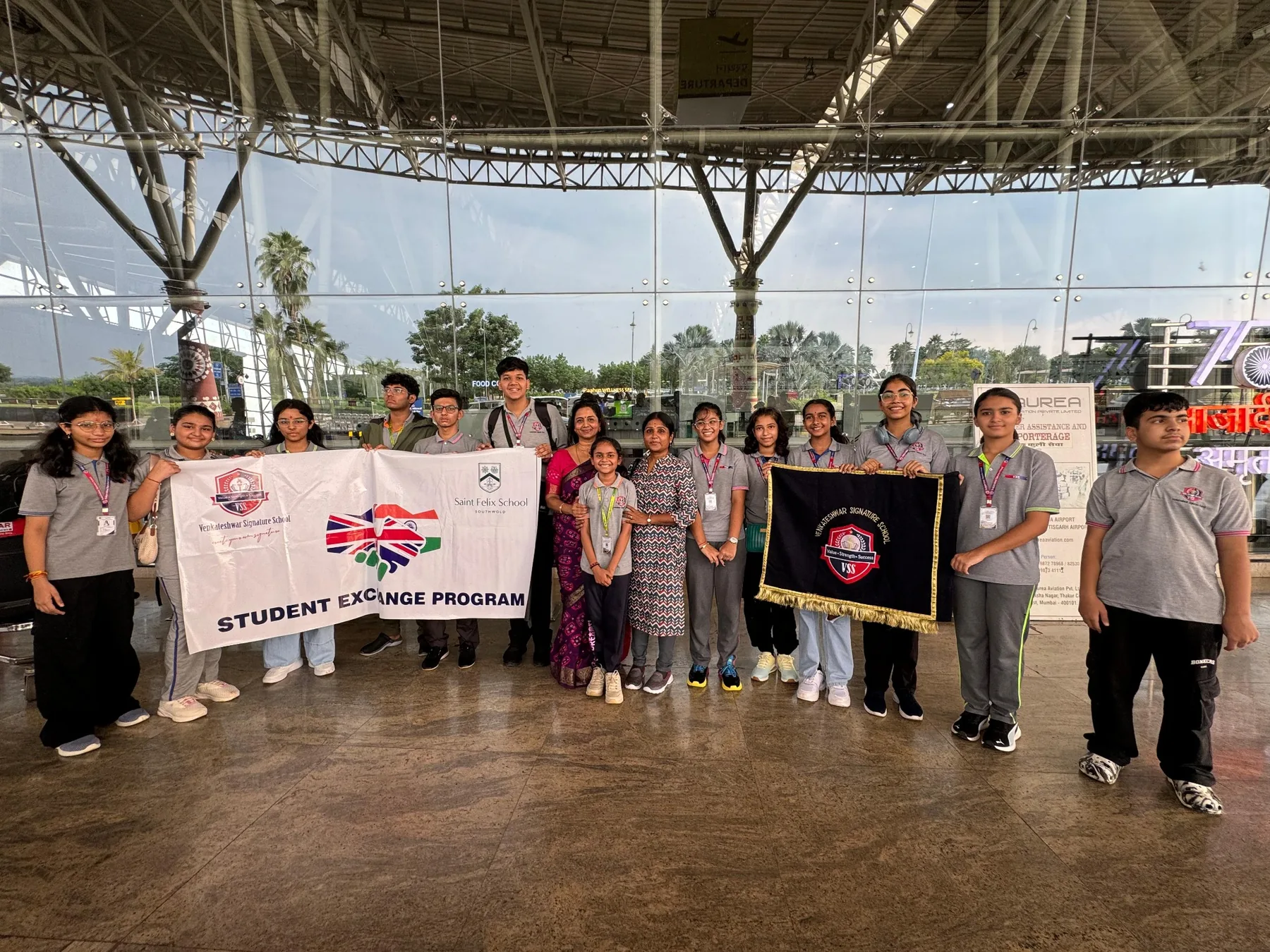
Marine Biology and Sustainability
An eight-day British boarding-school immersion combining coastal fieldwork, laboratory investigation, scientific inquiry and cultural exploration for students aged 13–17.
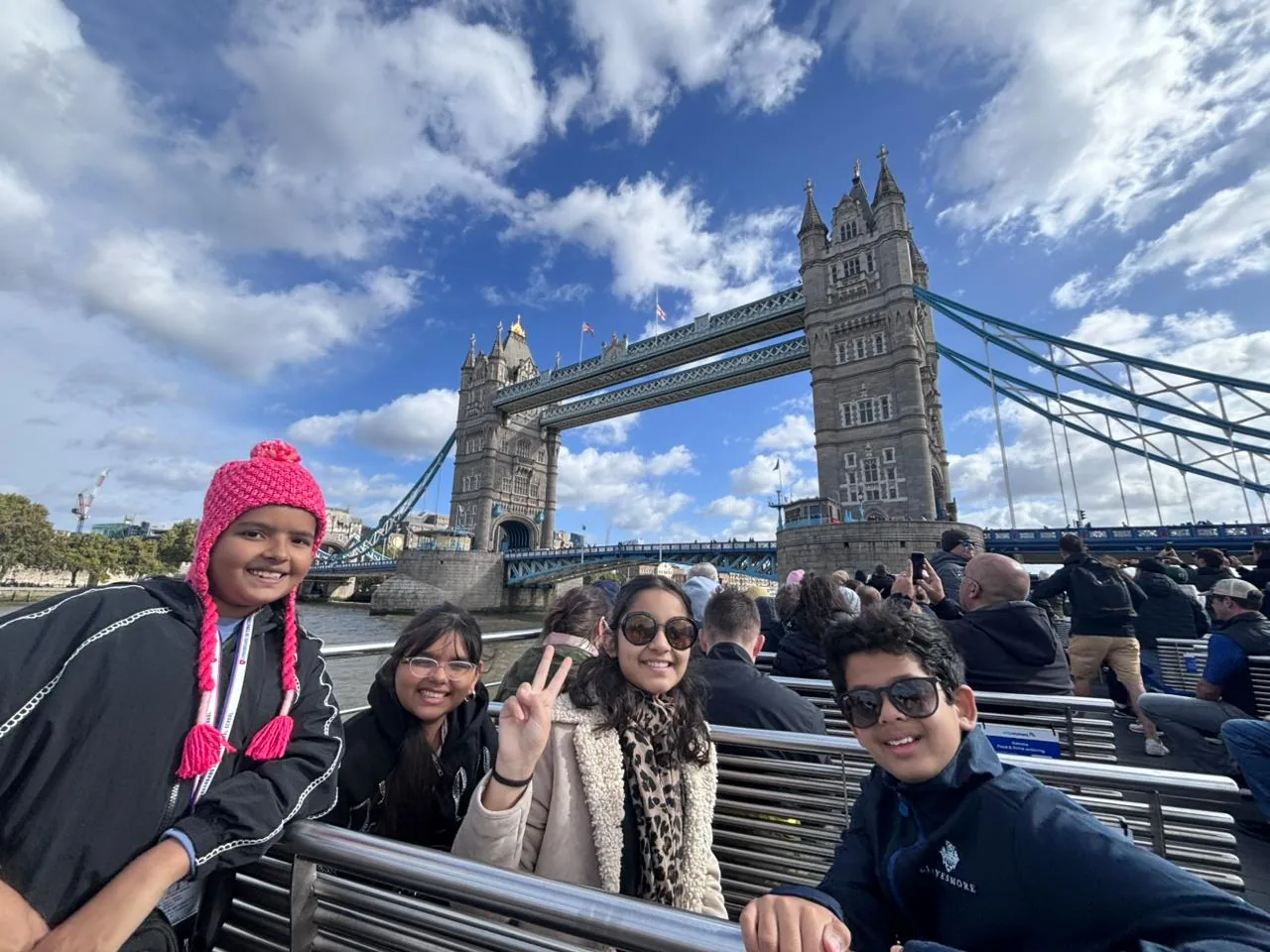 London experience
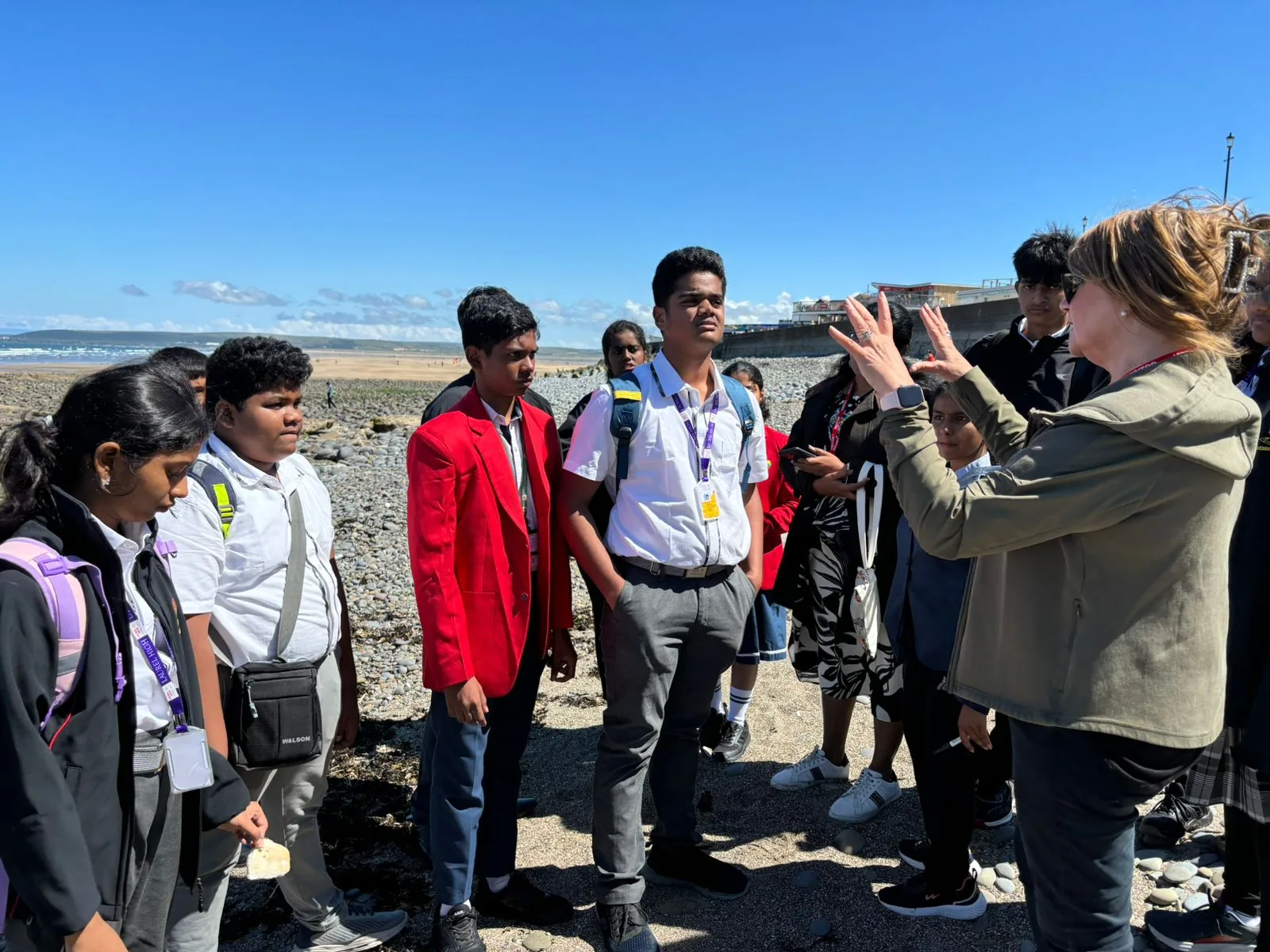 Coastal fieldwork
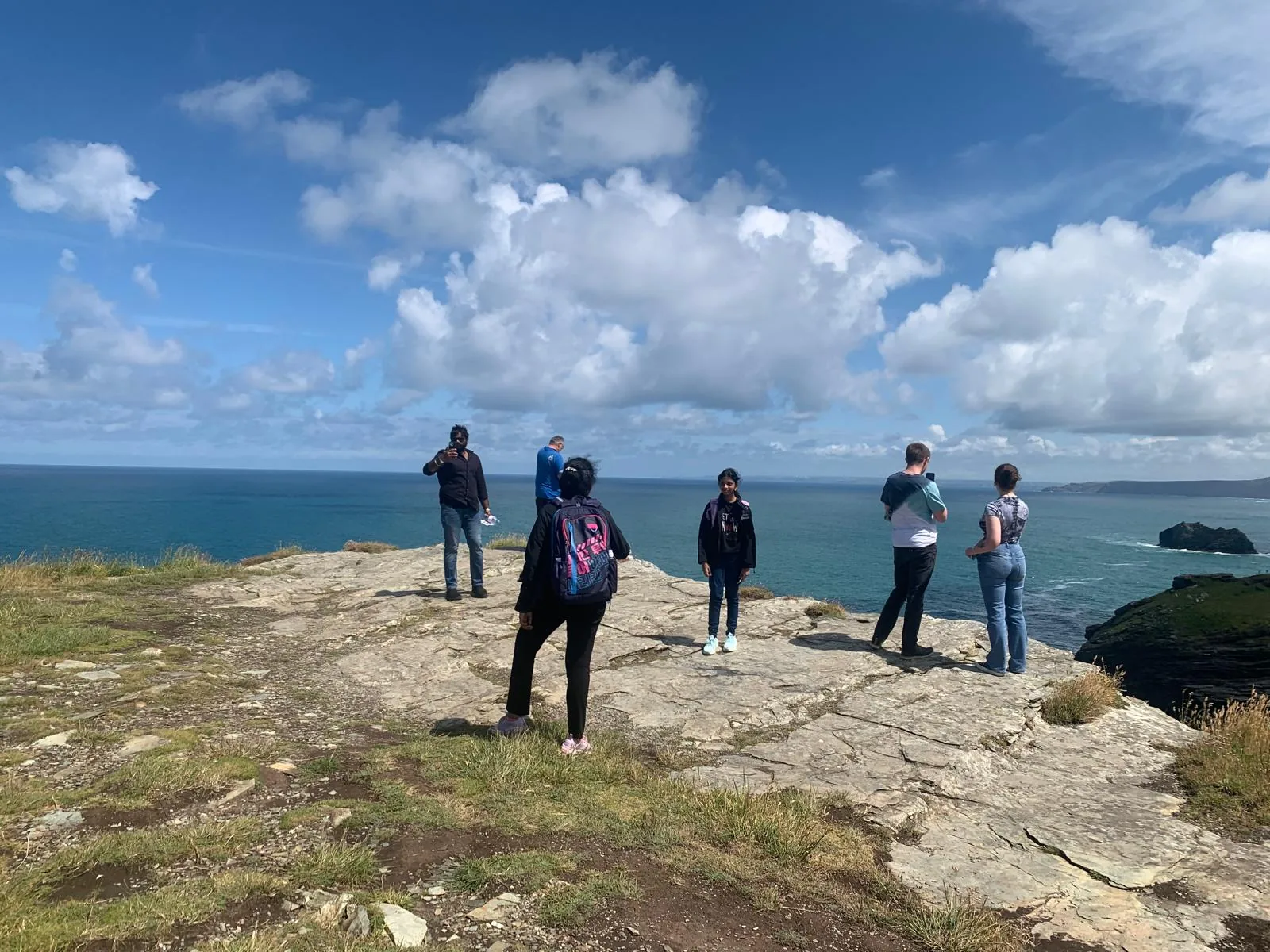
Study the marine environment by stepping into it.
The Marine Biology and Sustainability Programme is an eight-day, seven-night residential learning experience offered at Shebbear College and Saint Felix School.
Students move between the beach, laboratory and classroom as they investigate biodiversity, marine ecosystems, conservation, human impact and sustainable practice. Alongside the academic programme, they experience British boarding-school life, a university visit, London and local cultural exploration.
Day-by-day
- Day01
Arrival & orientation
Met at Heathrow and transferred to the host school. Room allocation, campus orientation, safeguarding guidance, welcome activities and an introduction to British boarding-school life.
- Day02
Global citizenship & marine inquiry
Students explore biodiversity, conservation, sustainability and the scientific inquiry method before developing questions about the coastal environment.
- Day03
Coastal exploration & data collection
Guided beach fieldwork examining tides, shoreline features, pollution, human impact, biodiversity and marine life. Groups formulate hypotheses and collect evidence.
- Day04
Oxford or Cambridge experience
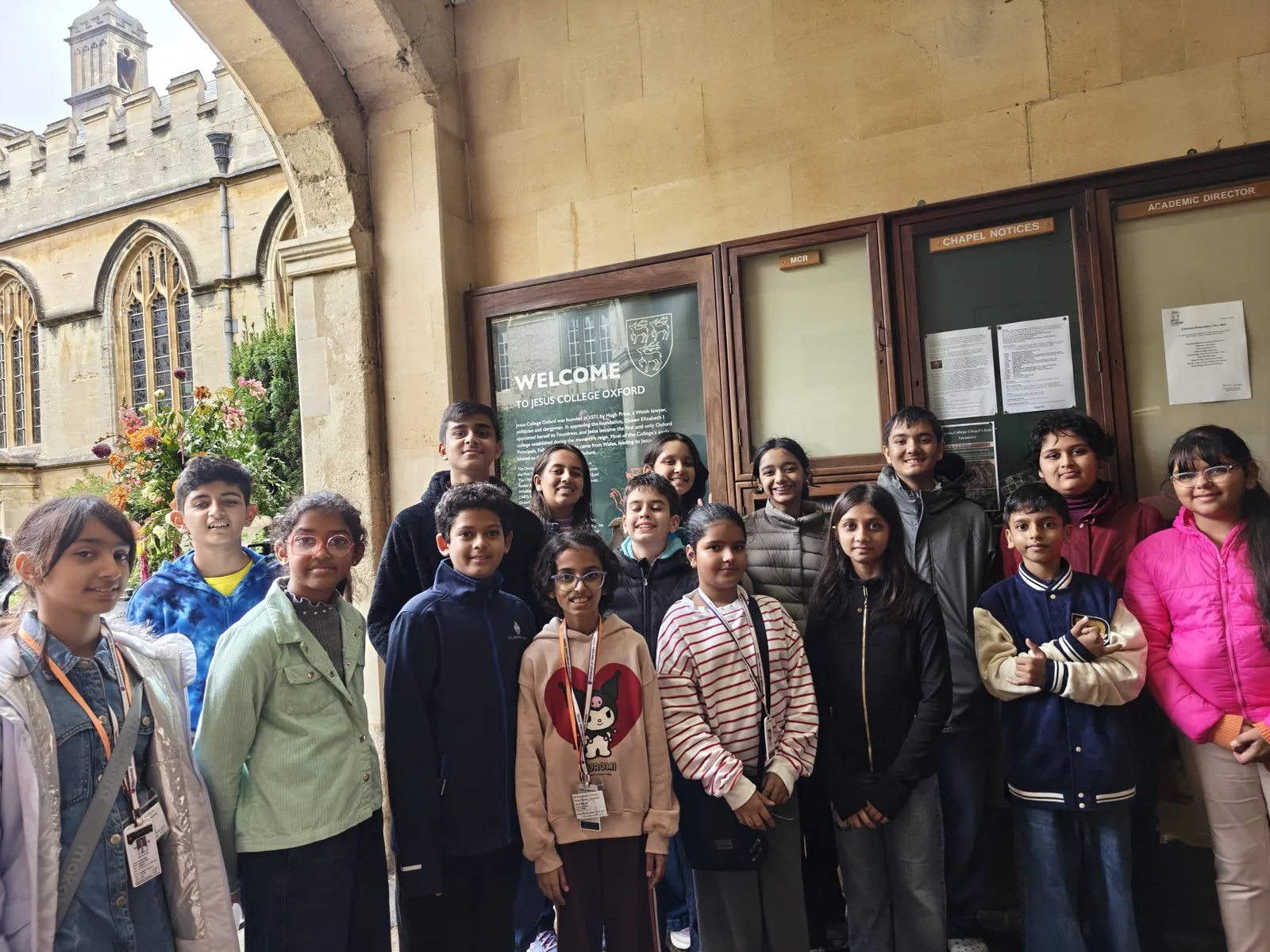
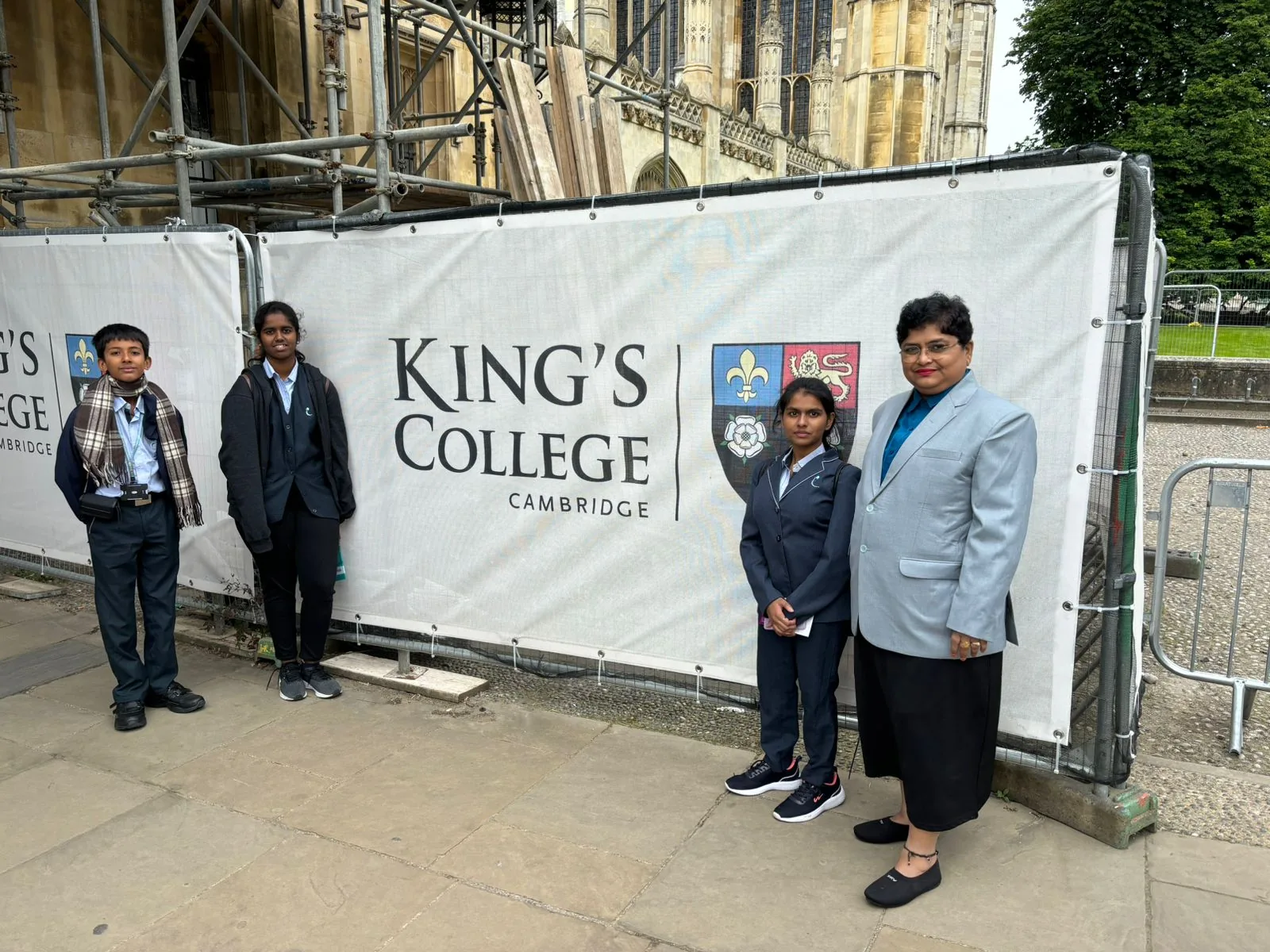
A university-city visit, based on the final route and host-school location, encouraging academic curiosity and future-focused thinking.
- Day05
Laboratory investigation & analysis
Students test and compare field evidence through water-quality analysis, pH and salinity measurement, sediment study, microscopy and species identification.
- Day06
Research conclusions & presentation
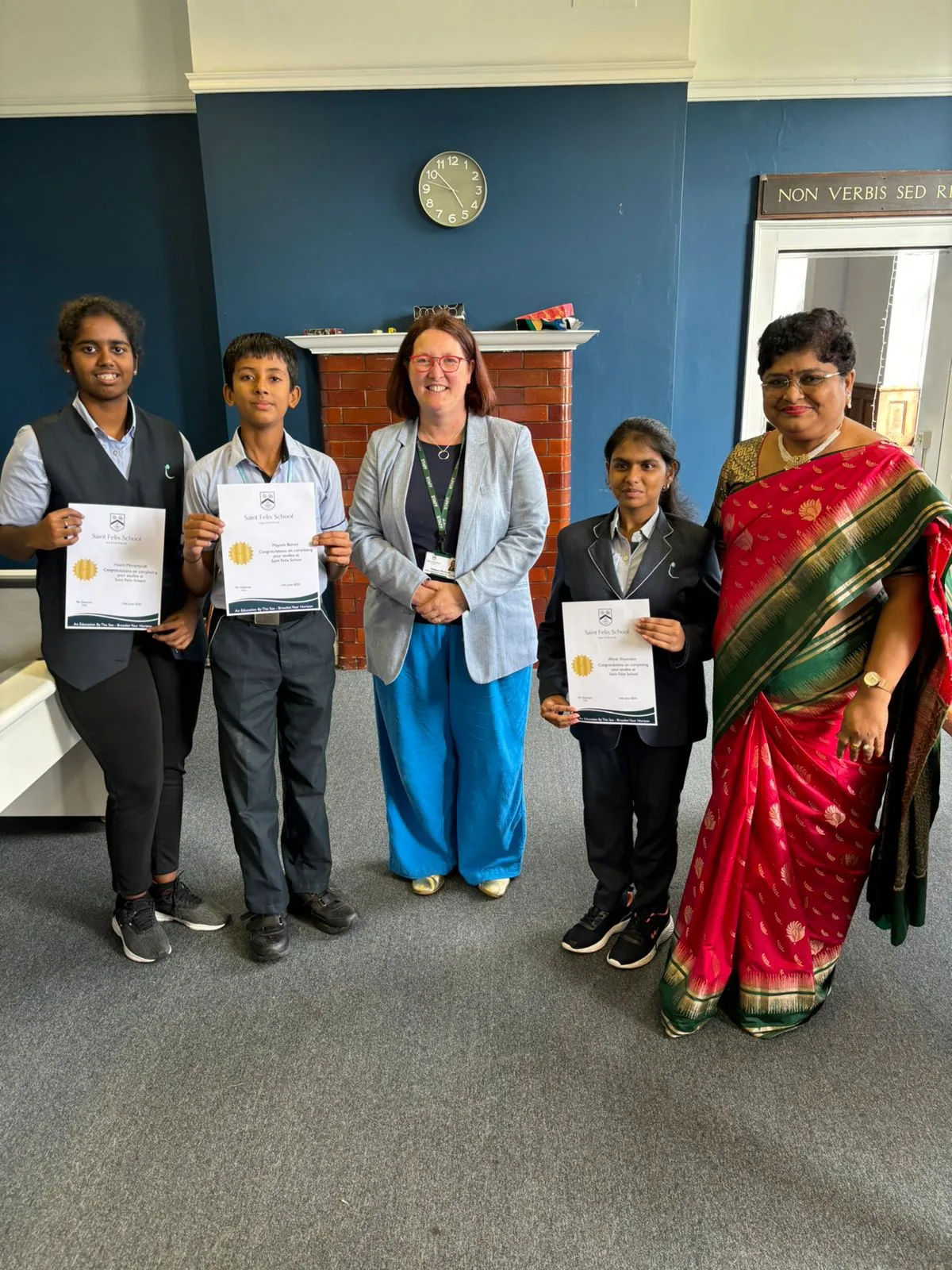
Groups evaluate their evidence, reflect on limitations, improve their research method and present their findings before programme certification.
- Day07
The London experience
A guided journey through London introducing students to its landmarks, history, public spaces and contemporary culture.
- Day08
Local sightseeing & departure
A final local cultural experience before the transfer to Heathrow. The complete international journey is nine days including travel.
Real science in a living coastal classroom.
Students investigate a real environment using scientific questions, practical measurements and evidence.
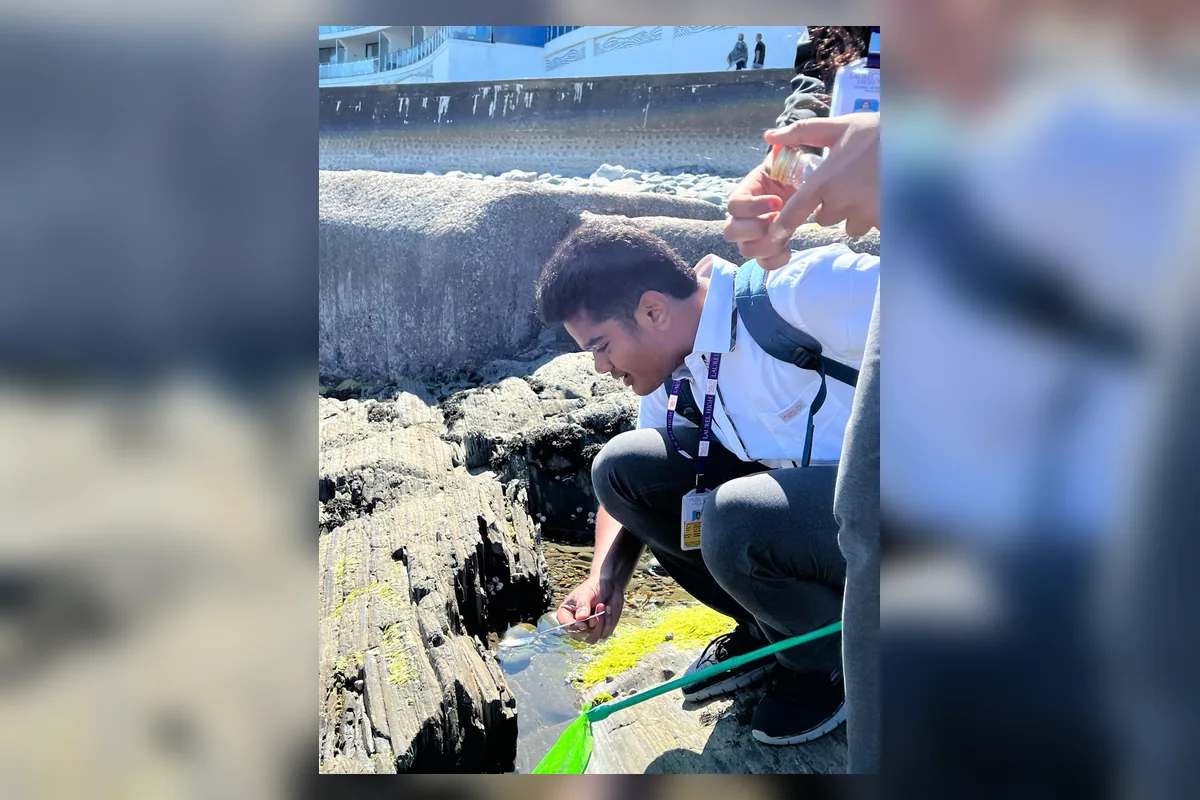
Coastal fieldwork
Students explore an active beach environment and study the interaction between living organisms, physical features, tides and human activity.
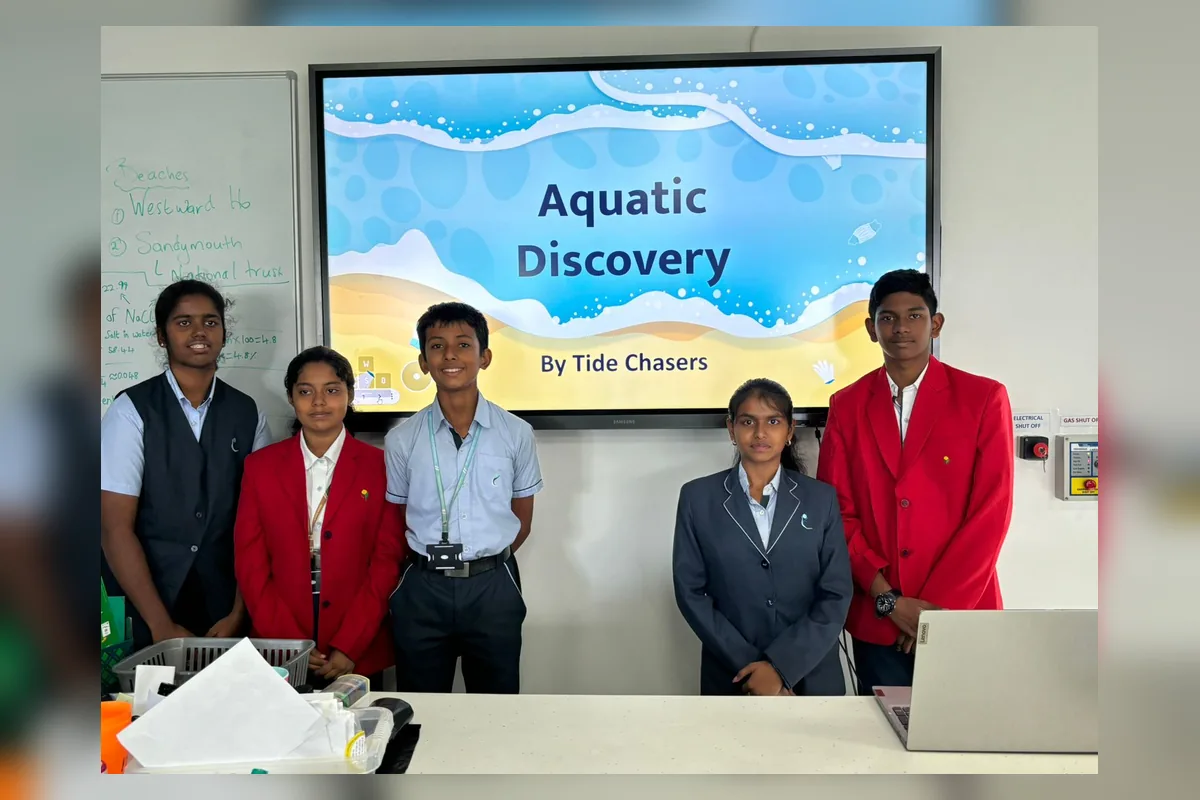
Scientific inquiry
Students move through the full inquiry cycle: observation, questioning, hypothesis formation, experimentation, data analysis and conclusion.
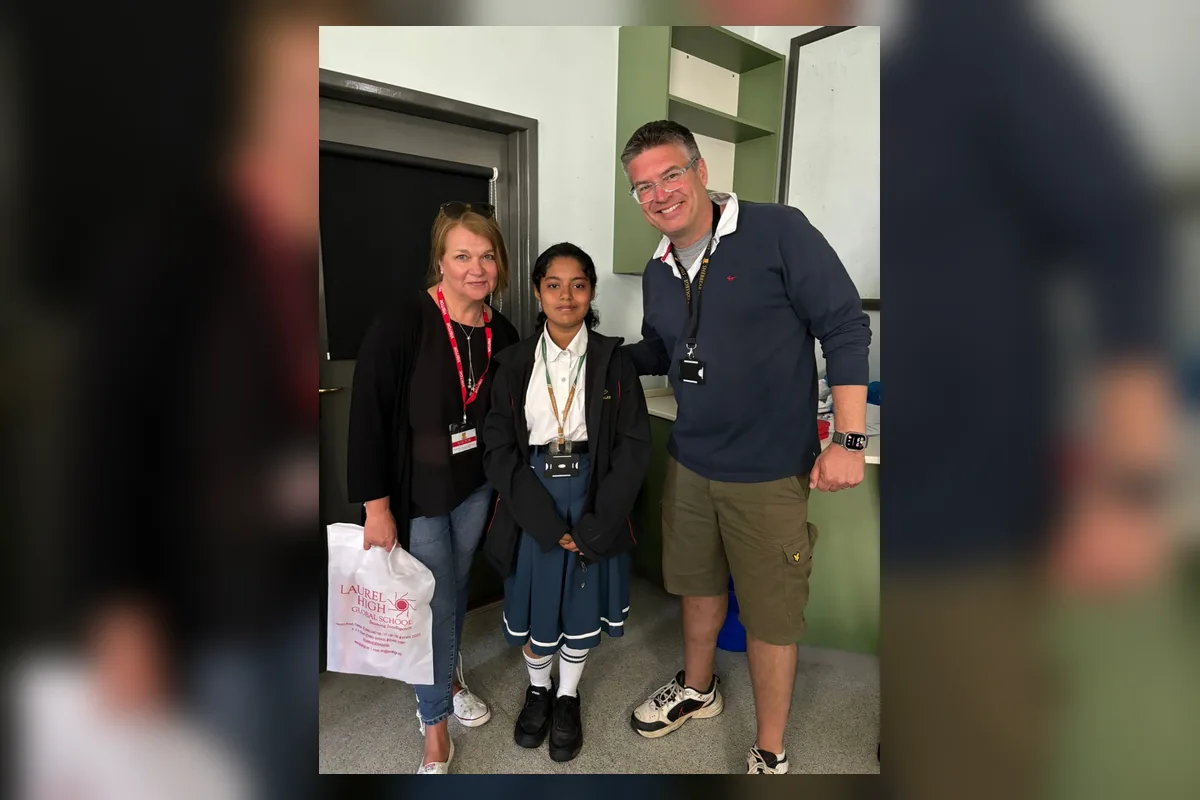
Laboratory investigation
Field samples and measurements are brought into the laboratory for testing, microscopic observation, comparison and analysis.
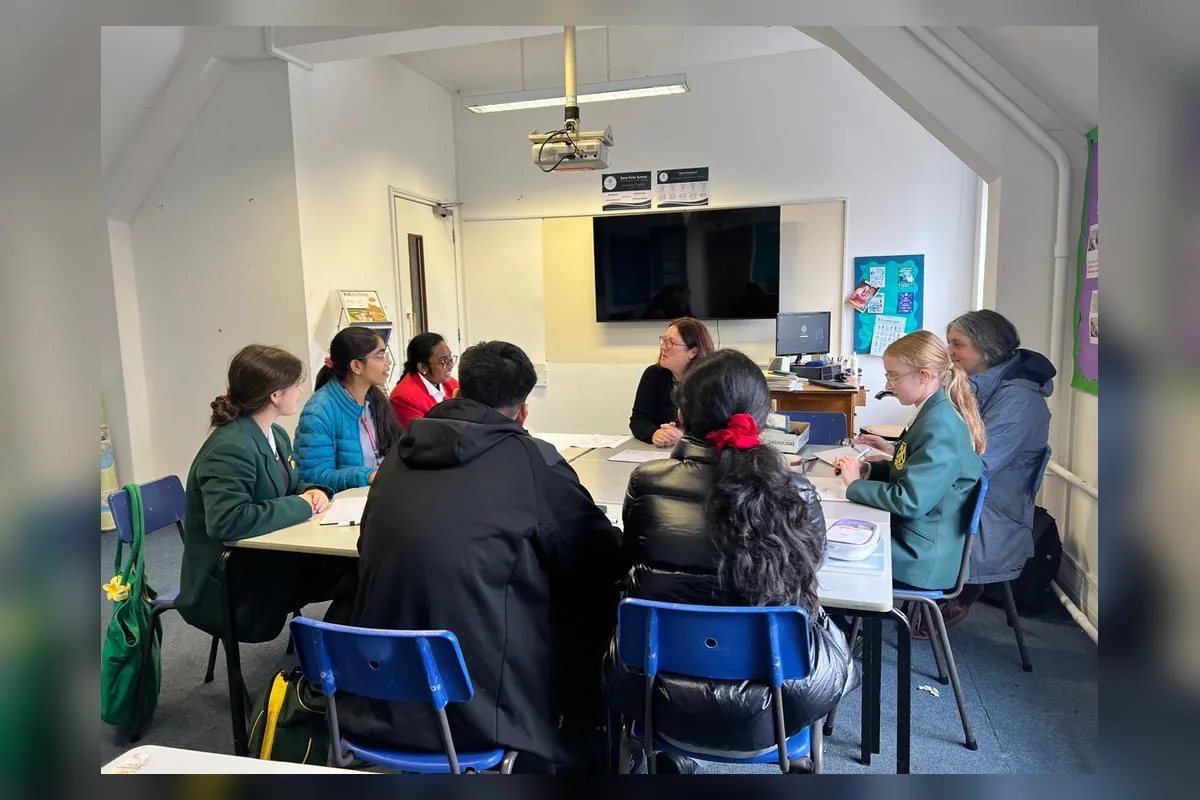
Sustainability in practice
Students examine conservation, preservation, pollution, sea defences, renewable energy and the responsibilities of global citizenship.
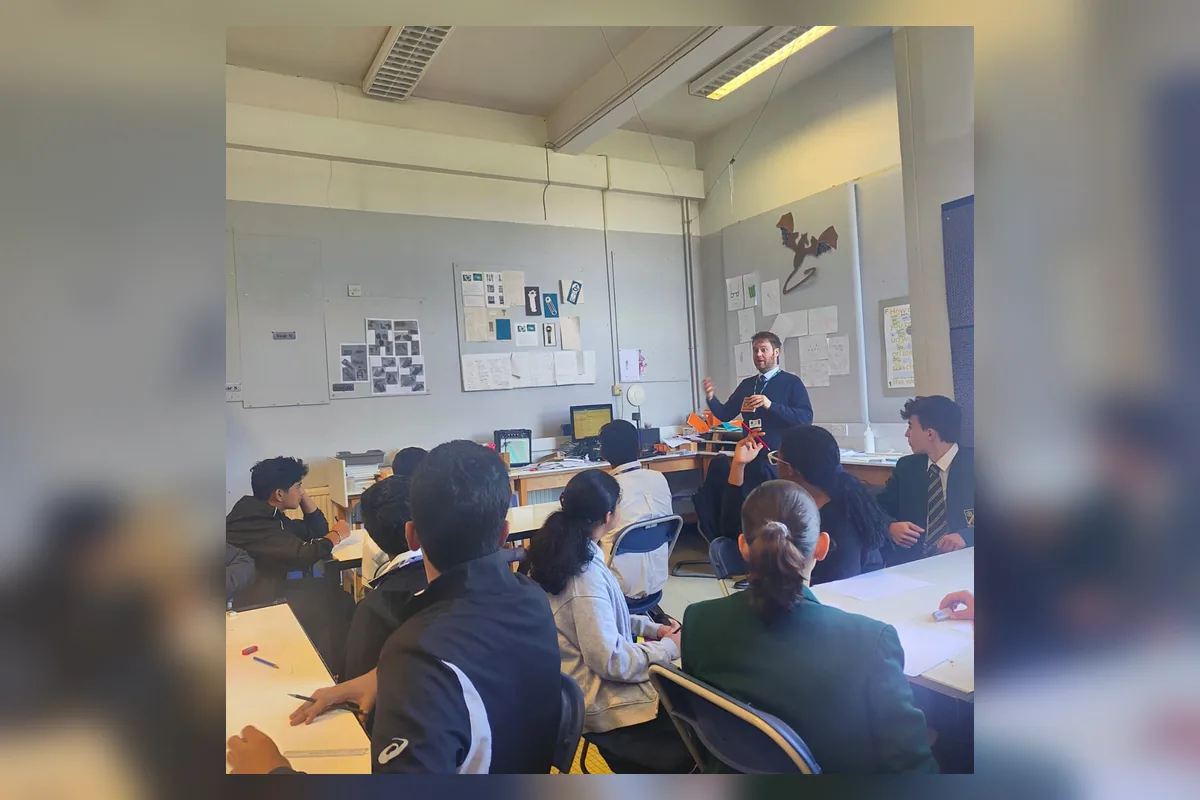
Evidence-based thinking
Students learn that conclusions must be supported by suitable methods, repeatable observations and sufficient evidence.
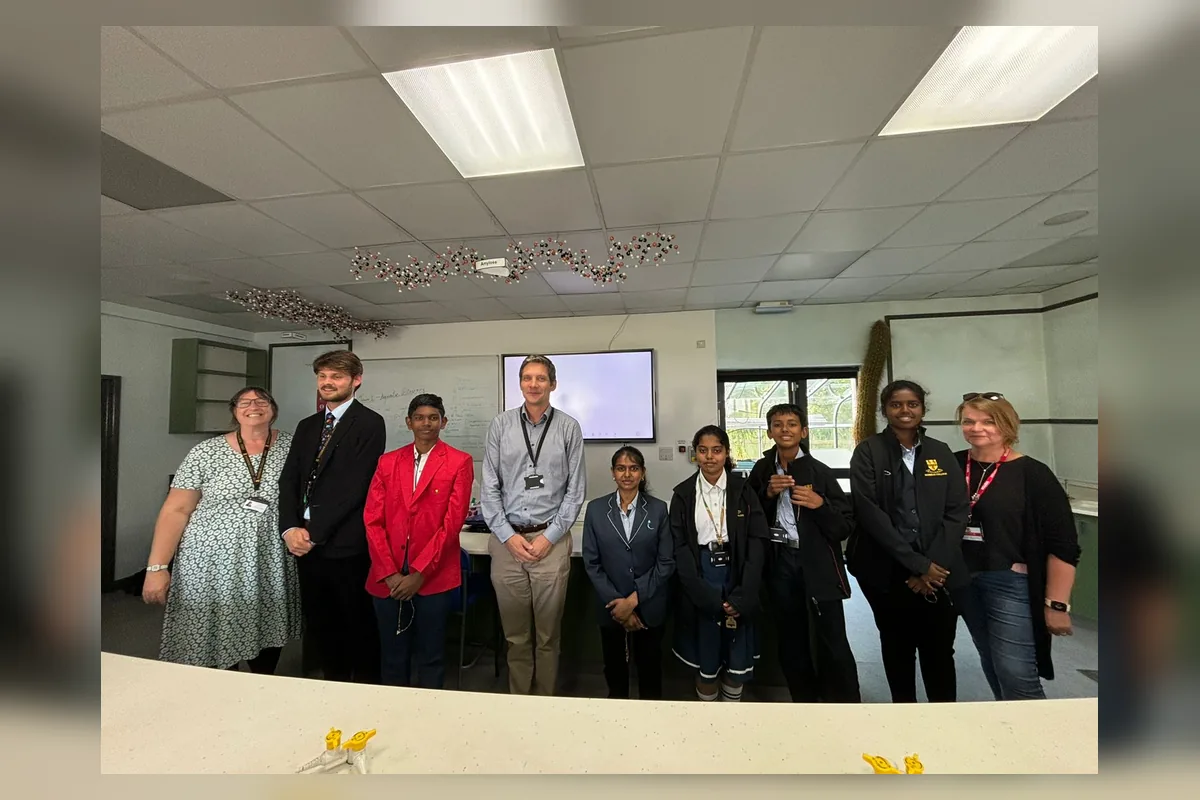
Collaborative research
Groups plan investigations, divide responsibilities, record findings and communicate results through structured presentations.
What you take home.
Students finish with a clearer understanding of marine ecosystems and the scientific process used to investigate them.
- Marine ecosystem knowledge including biodiversity, food chains and the role of biotic and abiotic factors.
- Scientific inquiry skills from developing a research question and age-appropriate hypothesis.
- Field-research experience using observation, sampling, measurement and comparative studies.
- Data representation using tables, graphs, photographs and samples to communicate scientific evidence.
- Evidence-based reasoning through analysing findings, drawing conclusions and identifying research limitations.
- Communication and reflection through collaborative presentations, peer discussion and programme certification.
Built for science-curious students aged 13–17.
No previous marine fieldwork is required. Students should arrive ready to observe carefully, work outdoors and participate actively.
- Students interested in biology, environmental science, geography or sustainability.
- Students who enjoy practical investigation and learning beyond the classroom.
- Students curious about coastal habitats, biodiversity and human impact.
- Students willing to collect, record and analyse scientific data as part of a team.
- Students ready for a supervised residential and international learning experience.
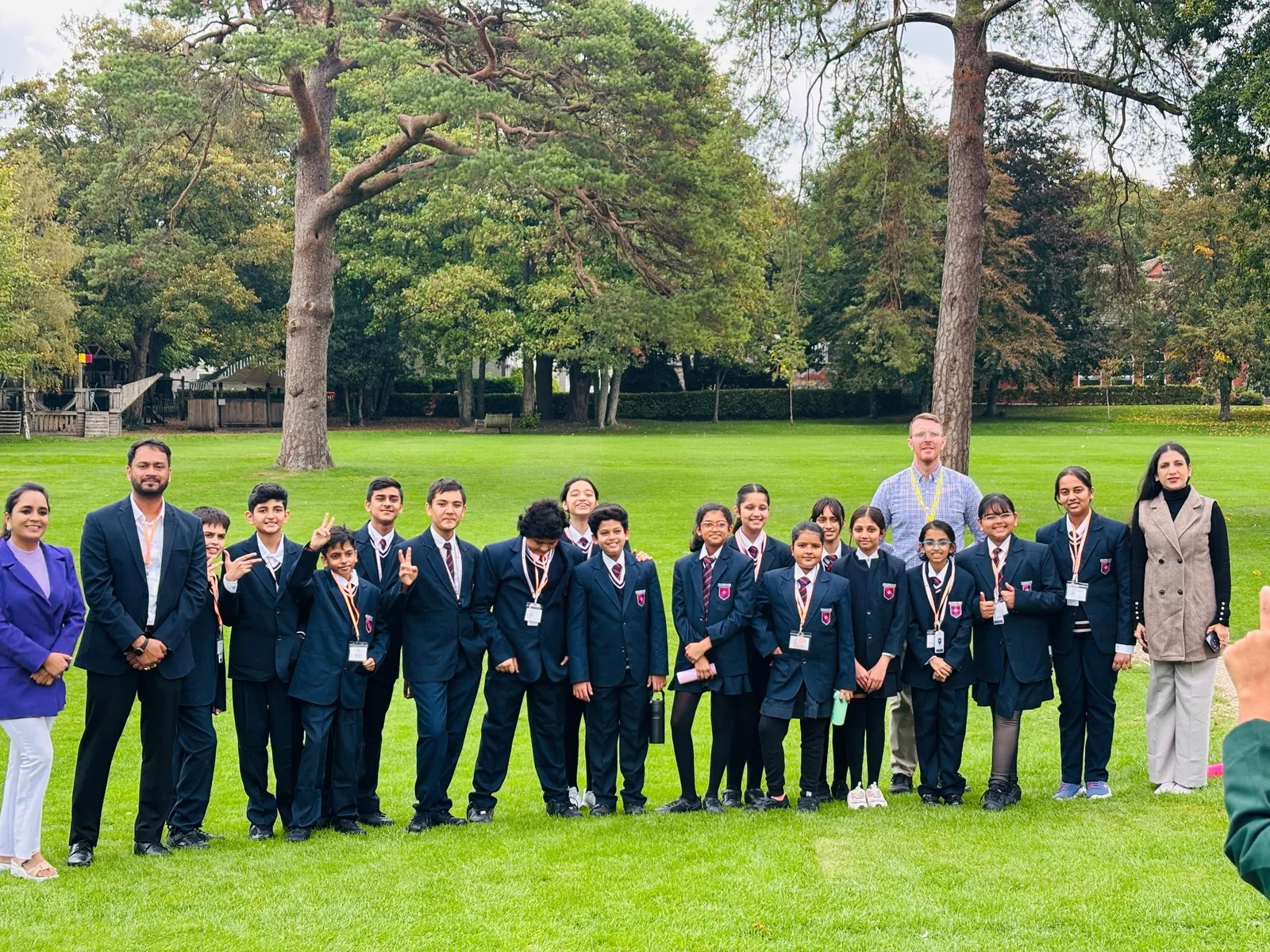
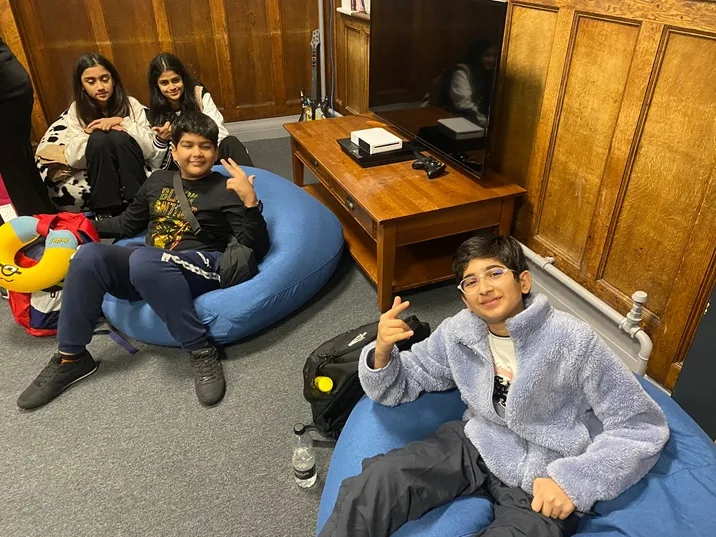
Life on the programme
A look inside the campus, the classrooms and the moments in between.
One transparent fee from Heathrow to Heathrow.
The programme fee covers the complete UK experience, from collection at Heathrow to the return airport transfer.
Programme fee
Covers the full eight-day and seven-night residential programme in the United Kingdom.
- Seven nights’ residential accommodation at the host school
- Marine biology, biodiversity and sustainability sessions
- Guided coastal fieldwork and scheduled research equipment
- Laboratory investigation, scientific analysis and presentation
- Oxford or Cambridge visit, based on the final itinerary
- Scheduled meals, London experience and local sightseeing
- All planned UK transfers, including Heathrow pickup and drop-off
- Supervision, pastoral support and programme certification
Additional costs
These items are not included because they vary by group or individual student.
- Return international airfare
- United Kingdom visa fee and associated service charges
- Travel insurance, unless separately included by the organising school
- Personal shopping, pocket money and purchases outside the itinerary
Payment schedule
The deposit confirms participation and allows flight and visa planning to begin.
- ₹1,00,000 deposit confirms the student’s place
- The next programme instalment is due 60 days before departure
- The complete programme fee is due 30 days before departure
- Flight planning and visa guidance begin after confirmation
Your journey, step by step.
The enrolment journey is managed jointly by the participating school and Aspirational Editech.
School introduction & open house
The school shares a letter of intent. We then conduct a parent session covering academics, safety, itinerary, inclusions and payments.
Registration & deposit
Interested parents complete registration and pay ₹1,00,000. Flight options and visa appointment planning then begin.
Documentation & instalments
Parents receive visa guidance, documentation support and programme information. The next instalment is due 60 days before departure.
Final preparation & departure
The full programme fee is due 30 days before departure. Families receive the itinerary, packing list and pre-departure orientation.
Bring the Marine Biology Programme to your school.
Programmes are organised for school cohorts and delivered at Shebbear College or Saint Felix School. Speak to our team about availability, travel periods and the parent engagement process.
Download the Marine Biology Programme Brochure
Explore the academic structure, coastal fieldwork, laboratory activities, learning outcomes, inclusions and complete eight-day programme journey.
Other programmes
 Immersion
General Immersion
The full British boarding experience — timetabled lessons alongside UK students, house life, sport, excursions and a closing showcase.
 Academic
UN Sustainability Charter
Project work mapped to the UN Sustainable Development Goals, ending in a delegate-style charter drafted and presented by the students.
 STEM & Design
Design and Technology
Studio-based design thinking, CAD, prototyping and workshop making — from a live brief on day one to a finished, tested build.
Investigate the coast. Understand the science behind it.
Give students the opportunity to study marine ecosystems through real fieldwork, laboratory investigation and evidence-based inquiry within a British boarding-school environment.